
Multifocal Lenses in Wallsend
Advanced Multifocal Lens Options
At EyeMax EyeCare in Wallsend we provide multifocal lenses designed to support clear vision across multiple distances using modern optical technology and detailed prescription measurements.
Multifocal lenses combine distance, intermediate and near focus zones within a single lens, which allows you to move between tasks such as reading, computer work and driving without changing glasses. We take time to understand how you use your eyes each day so we can recommend lens designs that align with your visual habits and work requirements. These lenses are produced using detailed surface mapping techniques that help ensure each optical zone corresponds accurately with your prescription.
During your appointment we talk through the different types of multifocal designs and how each option functions within everyday activities. This helps you understand how the lens layout supports your vision at varying distances and what features may suit your needs.
If you are interested in multifocal lenses or would like to learn more about the different designs available, call (02) 4955 9950.
Book an Appointment
Thank you for contacting EyeMax EyeCare.
We will be in touch soon.
Oops, there was an error sending your message.
Please try again later.
Frequently Asked Questions
How do multifocal lenses differ from bifocals?
Multifocal lenses include a continuous gradient of prescription power that allows smooth focus between distance, intermediate and near viewing zones. Bifocals, on the other hand, have two distinctly separated areas with a visible line that divides them. Multifocals offer multiple focal lengths within a single lens surface, making them suitable for tasks that require frequent shifts in focus, such as reading, using digital devices or viewing objects at arm’s length. This design provides a broader range of usable viewing zones compared to bifocals.
Are there different types of multifocal lenses?
There are multiple multifocal lens designs, each structured for specific visual needs. Some lenses prioritise reading clarity, while others focus on intermediate distance for computer work or distance vision for driving. The design variations often relate to how the prescription is distributed across the lens and how wide each viewing zone is. Advanced digital manufacturing techniques allow these lenses to be customised based on prescription strength, frame shape and personal visual habits. The selection depends on how the lenses will be used in daily life.
Can multifocal lenses be used in any frame?
Multifocal lenses can be fitted into many frame styles, but certain designs allow for better alignment of the viewing zones. Frames that provide adequate vertical height give more room for distance, intermediate and reading segments to be distributed comfortably. During a fitting, measurements such as the position of the pupil, the shape of the frame and how the frame sits on the face help determine which designs are compatible. Choosing an appropriate frame supports clear and comfortable use of the multifocal layout.
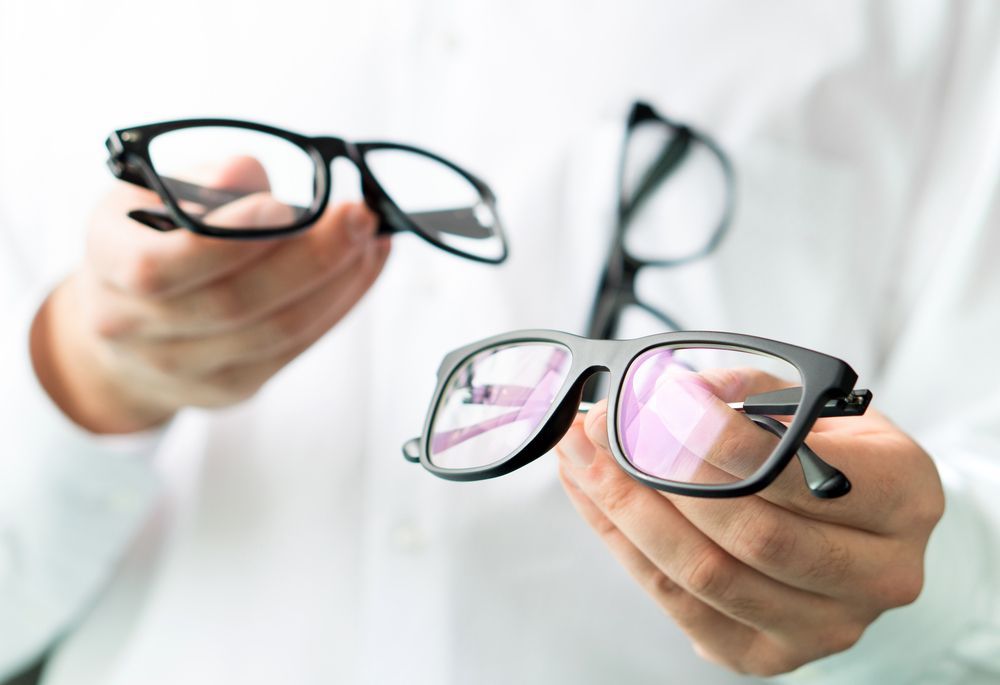
How Multifocal Lenses are Assessed
When we assess suitability for multifocal lenses, we begin with a detailed review of your prescription, your current glasses and any changes you have noticed in your near or intermediate vision.
We then measure key parameters such as pupil distance, frame fit and the way your eyes move between tasks to ensure the lens design matches how you use your vision throughout the day. This process often includes discussing visual demands such as long hours at the computer, frequent reading, driving or the need for clear mid-range focus.
We also review the curvature and positioning of your chosen frame because these elements influence how the optical zones align with your eyes. Once measurements are taken, we outline the design differences between various multifocal options so you understand how each one distributes vision across the lens. This structured approach allows us to match the lens design to your visual patterns in a practical and informed way.
Key insights of multifocal lenses:
- Lens design matched to daily tasks
- Detailed measurements for accurate alignment
- Structured review of visual demands