
Diabetic Eye Examinations in Wallsend
Specialised Diabetic Eye Tests
Diabetes can affect the small blood vessels within the retina, which is why diabetic eye examinations are an important part of long-term health monitoring.
At EyeMax EyeCare in Wallsend we carry out structured assessments designed to detect early retinal changes using industry-recognised diagnostic tools. Our examinations often include retinal photography, OCT imaging and pressure testing, allowing us to review the layers of the retina in detail and document changes over time. These tests help identify patterns that may require closer observation, such as vessel leakage, swelling or early structural shifts.
We take time to review a patient’s medical history so we can understand the context of the findings and how they relate to ongoing diabetic management. Our approach prioritises accuracy, clarity and consistency across visits, supporting patients who require regular monitoring as part of their overall care plan.
If you would like to arrange a diabetic eye examination or learn more about what the process involves, call (02) 4955 9950.
Regular diabetic eye checks help ensure that retinal changes are recorded clearly so they can be compared over time with greater accuracy.
Book an Appointment
Thank you for contacting EyeMax EyeCare.
We will be in touch soon.
Oops, there was an error sending your message.
Please try again later.
Frequently Asked Questions
Why is diabetic eye examination important?
A diabetic eye examination is designed to evaluate how diabetes may be affecting the blood vessels and structures within the retina. Diabetes can lead to changes such as vessel leakage, swelling or reduced blood flow, and these may not cause immediate symptoms. An examination typically includes imaging and functional testing to document these changes. Retinal photography and OCT scans provide detailed views that allow small shifts to be recorded over time. The purpose is to monitor and compare results across future visits so any developing patterns can be recognised early for clinical review.
How often should someone with diabetes have an eye examination?
Most individuals with diabetes are advised to have an eye examination at least once a year, although the appropriate frequency depends on the findings from previous assessments. People with early signs of diabetic retinopathy may require more frequent evaluations so changes can be monitored closely. Routine testing helps establish a baseline, which is useful because diabetic eye changes often develop gradually. The timing may also vary depending on how well blood sugar is controlled and whether any new visual symptoms appear. Regular examinations support consistent management and long-term health monitoring.
What tests are included in a diabetic eye exam?
A diabetic eye examination usually includes visual acuity checks, eye pressure testing, retinal photography and OCT imaging. Visual acuity tests determine how well a person can see at different distances. Eye pressure readings help assess fluid dynamics within the eye. Retinal photography captures images of the small blood vessels to document signs of leakage or structural changes. OCT scans provide cross-sectional detail of retinal layers, allowing swelling or fluid accumulation to be observed. Each test contributes important information that is used to evaluate how diabetes is affecting the eyes.
How We Assess Diabetic Eye Health
During a diabetic eye examination we complete several diagnostic steps that together provide a comprehensive view of retinal health.
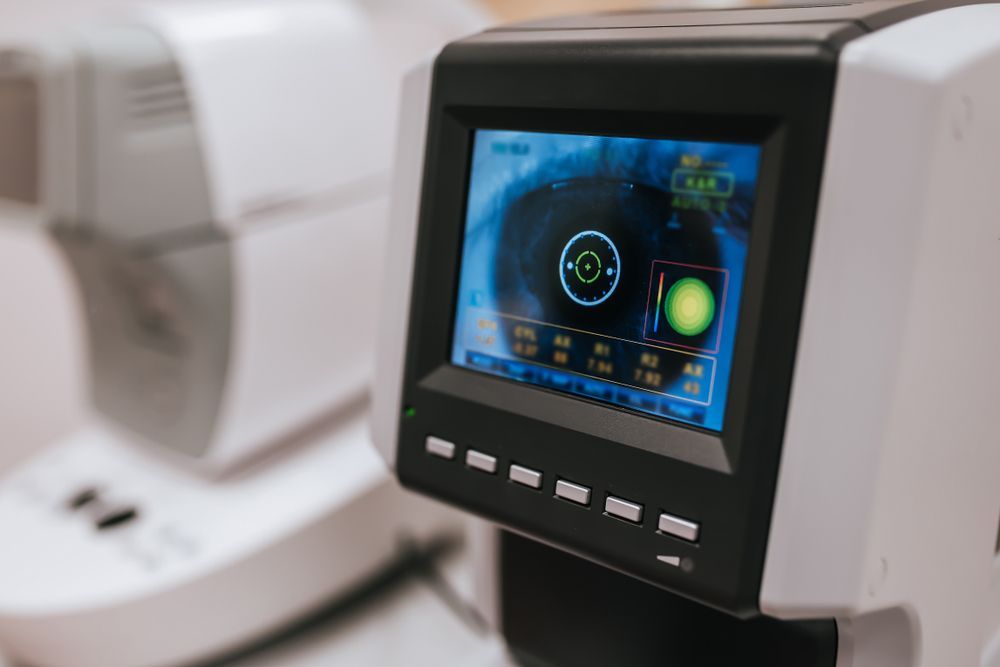
We begin with vision checks and pressure readings to evaluate the overall function of the eye. OCT scanning is then used to capture cross-sectional images of the retina, allowing us to assess layers where swelling or fluid changes may appear. Retinal photography documents vessel structure and any areas of leakage, providing a visual reference for future comparisons. If needed, we perform additional functional tests to understand how the eyes are responding to changes caused by diabetes.
Throughout the appointment we explain each stage so patients understand what is being measured and why it is relevant. We also discuss how findings may influence the frequency of future examinations. This structured process ensures a clear record of the patient’s retinal health and supports long-term monitoring.
What to expect:
- Detailed retinal health tracking
- Clear documentation for future comparison
- Structured diagnostic testing