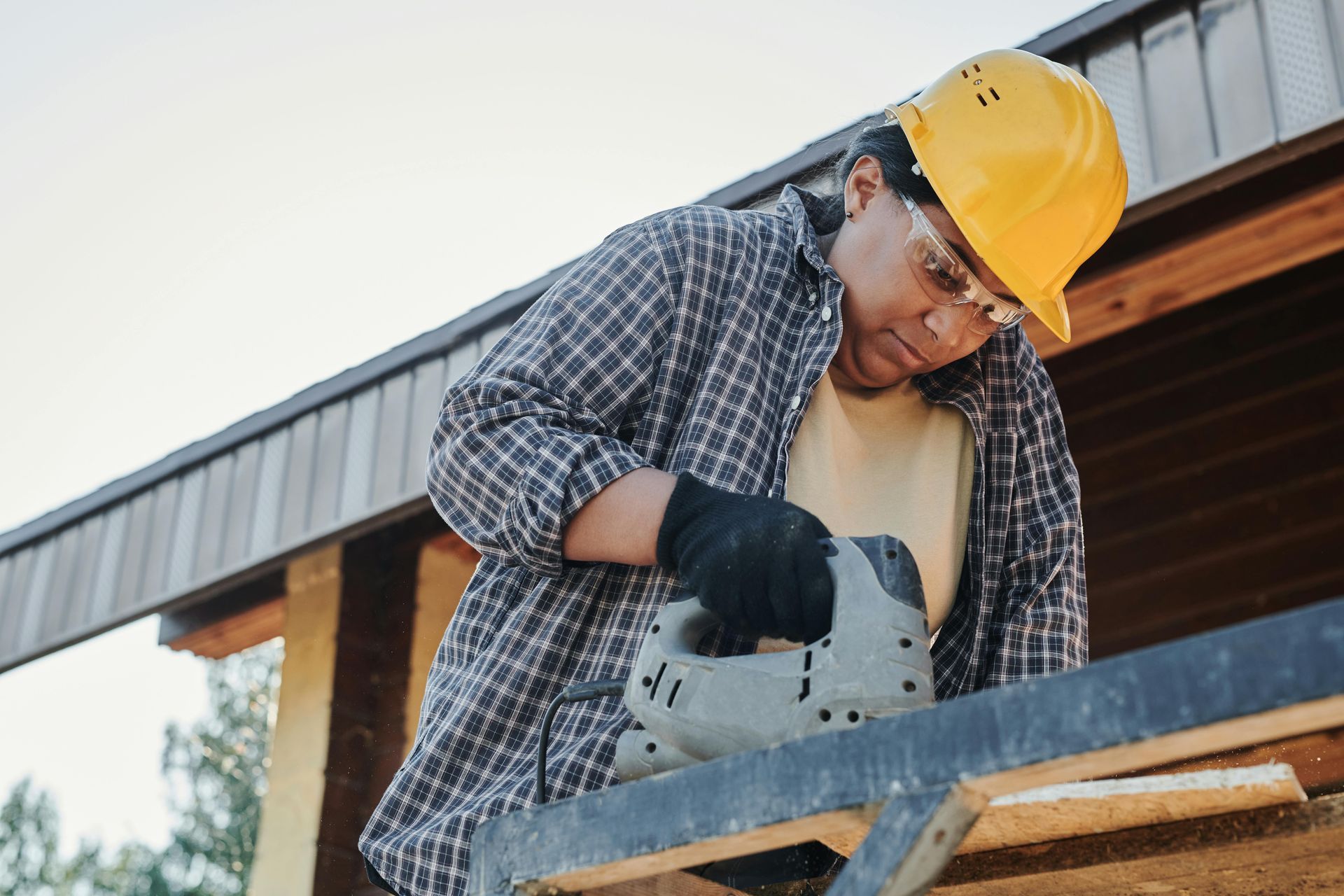
Prescription Safety Glasses Near Singleton
EyeMax EyeCare is proudly based in Wallsend, providing professional optical services to patients across Newcastle, Lake Macquarie, Maitland, Cessnock and Singleton, with all appointments conducted at our Wallsend practice.
Prescription Protection for Work
Working in Singleton often involves environments where eye protection is part of everyday tasks, and our team at EyeMax EyeCare supports this need with prescription safety glasses designed for a wide range of workplaces.
We provide this service with the support of a licensed optical dispenser, which allows us to offer accurate fitting and detailed product knowledge for local customers. Our range includes impact-resistant lenses and durable frame styles suited to people working in manufacturing, workshops, trades and outdoor settings across Singleton.
We supply eyewear that meets Australian Safety Standards and offer options covering single vision, multifocal and tinted lenses. Our approach focuses on careful assessments, clear explanations and support at every step. We understand the needs of customers balancing safety requirements with prescription needs, and we help guide frame selection and lens choices. Our team aims to ensure that the eyewear we supply is fitted correctly and suited to daily working conditions.
If you would like to learn more or book an appointment, call us on
(02) 4955 9950.
Book an Appointment in Singleton
Thank you for contacting EyeMax EyeCare.
We will be in touch soon.
Oops, there was an error sending your message.
Please try again later.
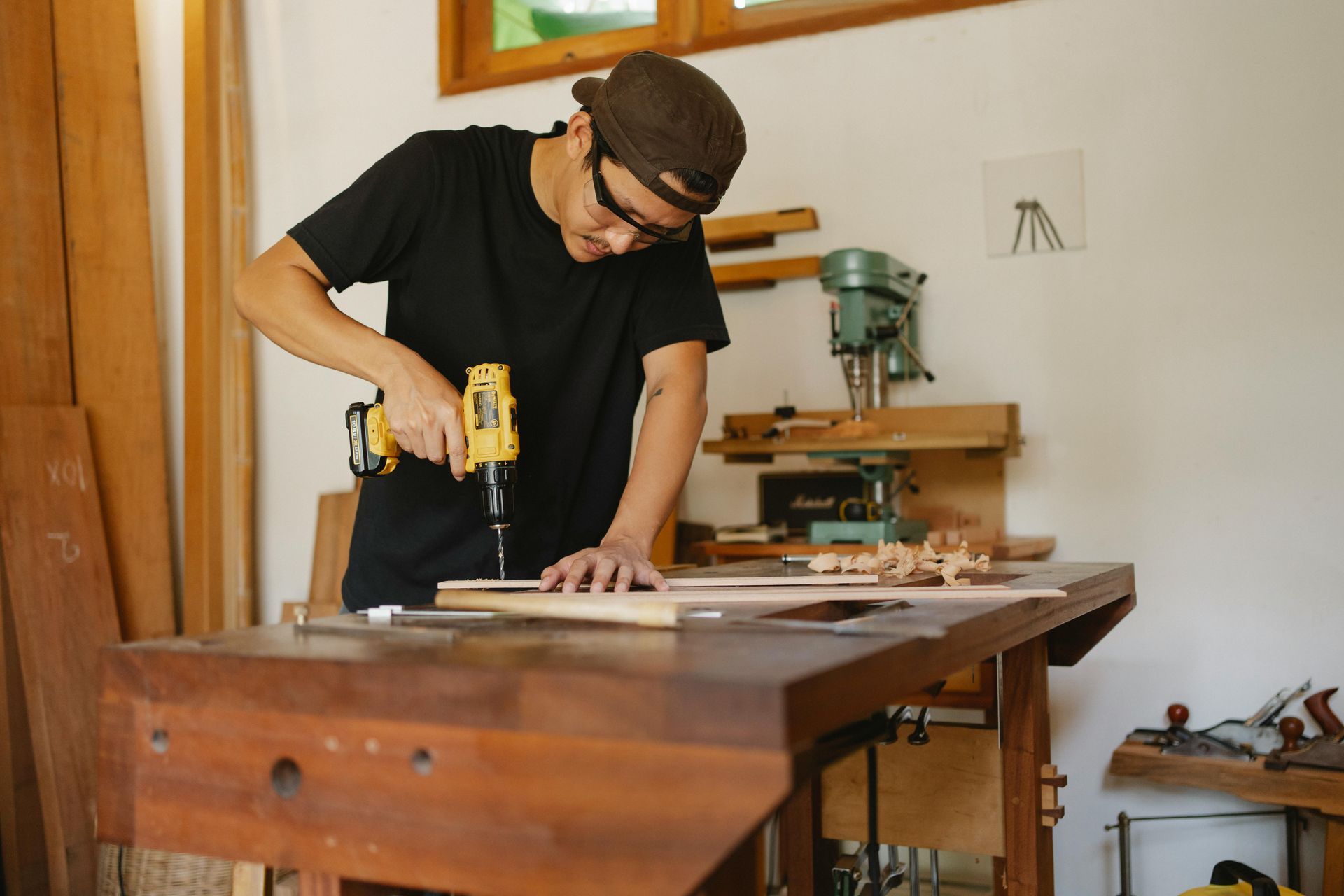

Workplace Ready Eyewear
We offer prescription safety glasses in Singleton with a process that focuses on accuracy, proper fitting and clarity around product features.
We begin by reviewing your prescription and discussing the type of work you do so we can recommend frames built for impact resistance and stability. Our lens options include polycarbonate and other modern materials selected for strength and lighter weight. We also provide coatings such as UV protection or tinting when required for outdoor work.
During the fitting process we take careful measurements to ensure each lens is positioned correctly. We check how the frames sit on the face and make adjustments for comfort and security. Our transparent explanations help you understand how each feature relates to your work environment.
We also provide follow-up support for any adjustments needed over time so your eyewear continues to perform as intended.
Frequently Asked Questions
What materials are used to make prescription safety glasses?
Prescription safety glasses are typically made using polycarbonate or Trivex because these materials offer strong impact resistance while remaining lightweight. Frames often use reinforced plastics or nylon blends that hold up well in active or hazardous environments. Side shields or wraparound designs are added for additional coverage depending on workplace needs. Prescription lenses are shaped and fitted with the same safety standards applied to non-prescription safety eyewear. Some glasses include coatings designed for clarity or UV protection. These materials are chosen to balance durability with comfort during long workdays.
Can prescription safety glasses be used with face shields or helmets?
Prescription safety glasses are often compatible with face shields, hard hats or welding helmets, although the fit depends on the specific frame shape and equipment design. Low-profile safety glasses usually fit more comfortably under helmets because they reduce pressure around the temples. Workers who use face shields may wear prescription safety glasses underneath as an additional layer of protection where required. Compatibility is influenced by the depth of the frame, hinge style and lens size. People who use multiple forms of protective gear often select safety glasses designed for tight spaces or adjustable headwear.
How durable are prescription safety glasses compared to regular glasses?
Prescription safety glasses undergo more rigorous testing than regular glasses because they must withstand impact and meet standards that address protective performance. Frames and lenses are made from materials selected for strength rather than appearance alone. Polycarbonate or Trivex lenses resist cracking under force and reinforced frames offer stability during physical work. Regular glasses may break more easily when exposed to sudden impacts or debris. Durability also depends on the design because wraparound or thicker frames generally offer better coverage. Although they are made for protection, safety glasses are still designed to remain lightweight enough for daily use.